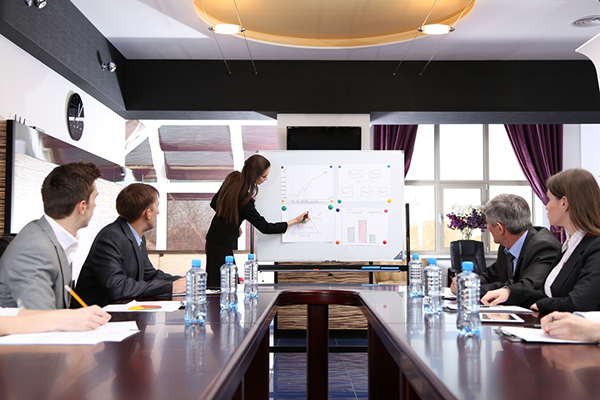
Types of Workshops You Can Hold
Workshops and seminars are a “sure fire” method of generating clients and commissions, but most NEW brokers well take some time to become comfortable with such campaigns and learning the ropes regarding public speaking.
Regarding the “types” of workshops and seminars you can promote, there are simply dozens and dozens of venues where you are in charge of organization every facet of the event from marketing and the actual presentation to those events where you will simply be a guest speaker.
Types of Workshops You Can Hold
All of your workshops will naturally be on factoring and small business finance but there are several venues you will use to reach certain audiences. Some will be perfect for your earliest ventures into workshop marketing. Others will be more difficult to promote until you expand and grow your prospect lists with sufficient names of small business owners to invite. Here are some examples:
- BREAKFAST / CLIENT: These are probably one of the more expensive and poorest choices, especially when you are just starting out. You will need to reserve a room at a local restaurant and provide the meal. Think $8-$10 plus per dollars per attendee, 20% gratuity, plus a modest room charge. Invitees will be from your compiled lists. As with all target lists for attendees, pay close attention to ZIP codes when sending out invitations. Most guests do not have unlimited time on mornings and the time spent driving to your event needs to be addressed.
- LUNCHEON / CLIENT: Luncheon seminars are relatively modest when it comes to cost. Do NOT, however, hold these in a restaurant. Here you can offer subs and soft drinks that you purchase for about $5 to $7 per attendee. Luncheon seminars tend to be the best attended since everyone likes a break in their day for lunch anyway and your seminar gives them a place to learn something while they eat for free. Invitees will be from your compiled lists. NOTE: If dealing with a large client / owner, many times you will have a back office manager (accounts payable manager) who will attend rather than the actual owner.
- AFTER HOURS / CLIENT: These you will hold after 6:30 pm since attendees will need to get through rush hour traffic to be present. Attendance will usually be lower than luncheon workshops and costs can be all across the board. Invitees will usually be from your prospective client lists which can include databank lists or compiled lists.
- EDC / SBDC / REFERRAL: Workshops you provide in concert with Economic Development Corporations (EDC), Small Business Development Corporations (SBDC), or almost any other local business “incubator”, will usually focus on start-up entrepreneurs. Often, you will simply be asked to be a guest speaker at a scheduled monthly meeting for such business owners. For new factoring brokers, these incubator workshops are a good place to learn. They provide you with a great opportunity to hone your small group speaking skills.
Since they are held at the SCORE / EDC /SBDC facility, there are usually no costs involved or equipment required to be furnished by you. You simply need to have your presentation on a flash drive and an adequate supply of handout packages. You may agree to provide pizza, sandwiches or a similar inexpensive lunch item, but either way, the cost is minimal or nothing at all.
- SPECIALTY PRESENTATIONS / GUEST SPEAKERSHIPS: There are dozens of unique groups of business owners or organizations always looking for a guest speaker for their pre-scheduled monthly get-togethers. These include local SCORE Chapters, Community Civic Clubs (Kiwanis, Lions, Rotary, etc.), and local trade groups or organizations. Being asked to speak at such organizations or groups is another perfect opportunity to develop your presentation skills and at the same time, foster some good relationships.
Civic clubs, such as those mentioned above, are filled with small business owners, accounting professionals, bankers, etc., and can be a great source of both referrals and clients. Similar to the incubators, many will also have all the electronics and equipment you require other than a flip chart. You will simply need to bring your presentation on a flash drive along with your handouts.